Every springtime, I stroll a few neighborhood websites to see what winter left behind. The beds look exhausted, dirt crusted and pale, in 2014's stems scrunching up your eyes toward a brand-new season. Then we include a few inches of fresh mulch and the picture modifications. Roots settle, weeds shed momentum, and the beds hold their shape when the initial large rainfall hits. If you expand for bees, butterflies, and useful insects, that leading layer is greater than a completing touch. It is environment, wetness insurance, and a quiet nudge towards much healthier soil.
Pollinator gardens carry a special need. They require protection that does not undo the factor you planted them. That is where smart, environmentally friendly mulch options make all the distinction. If you reside in and around Orland Park or Monee, you also appreciate how the material reaches you, what it is made from, and whether it plays nicely with native plants. Allow us walk through the choices, the how, and the why, making use of what in fact works in the ground.
What "green compost" really means
People make use of the term loosely. In method, a green mulch does three things. It supports living soil, prevents harming advantageous bugs and other wild animals, and comes from liable resources. In the Midwest, that typically indicates natural bark mulches, composted woody chips, fallen leave mold and mildew, and straw from recognized producers.
Mulch made from recovered backyard trimmings or bark byproducts maintains organic product in flow. Arborist chips, for example, are the blended work from neighborhood tree work. They vary in bit dimension and varieties, which is an attribute, not a pest, for dirt organisms. Over a period or 2, fungi thread via the chips and create a spongey matrix that holds wetness and breaks down slowly.
Bark mulches sit on the polished end of the range. Three-way Processed Bark has actually been ground and screened several times to generate an attire, fine texture. It looks tidy, locks with each other well on slopes, and is gentle around seedlings. If your beds front a sidewalk or you manage a pollinator area that doubles as a front backyard display, a Dark Brownish Compost or another natural tone can provide tidy lines that still benefit the soil. Water based colorants used for Dark Brown Mulch are normally inert when treated, and they aid the bed keep a constant look.
What to avoid depends upon your objectives. Cypress mulch, as an example, can originate from sensitive wetlands. Rubber compost does not feed the soil and can warm up. Stone fits in rain gardens and around structures, yet in seasonal pollinator beds it elevates temperature levels and leaves the soil hungry.
Pollinators and compost can share the same ground
A typical worry is that mulch smothers ground nesting bees. Roughly 70 percent of indigenous nest in bare or lightly covered dirt. Blanket a bed with 6 inches of timber chips and you decrease their gain access to. The solution is not to skip compost entirely. Instead, style the bed with appearance and gaps.
Leave a few open sunlight spots, roughly a foot across, with sandy or fertile dirt that drains pipes well. Stay clear of condensing those spots as you function. Around stems and crowns of native perennials, maintain mulch pulled back a couple of inches so emerging shoots are not covered. Queens, swallowtails, and other butterflies pupate low in the canopy or on neighboring frameworks, so the mulch layer itself is not an issue. In fact, a steady, great soil surface maintains host plants like milkweed and grassy field dropseed from drying before their roots wake up.
One Mulch delivery Northwest Indiana much more advantage turns up on warm July afternoons. An excellent compost covering trims surface area temperature levels by 10 to 20 degrees compared to bare dirt. That steadier microclimate implies longer bloom windows and tougher nectar production, which directly feeds your pollinators.
The right deepness, and why it matters
Depth is where most people exaggerate it. 2 inches is plenty for fine distinctive composts like Three-way Processed Bark. Go closer to three inches if you are making use of rugged arborist chips, given that the spaces between pieces let even more air and light through. Spread equally, yet feather it thinner over bulb areas and around superficial rooted plants like meadow smoke and heuchera.
If you are recovering a bed ingested by quackgrass or sneaking charlie, there is a place for a much deeper layer in year one. Sheet mulch with a single layer of ordinary cardboard, water it in, after that include three inches of timber chips. Plant into openings punctured the cardboard. By loss, origins have run, weeds have actually slowed, and dirt life has consumed a lot of the cardboard.
Where not to mulch
There are a few red lines I maintain. Do not pack mulch against the base of woody stems. That catch for moisture and bugs is called volcano mulching for a reason. Maintain a donut of open room 3 to 6 inches around trunks and shrub crowns. Furthermore, stay clear of covering low evergreen vegetation. Mulch that sits wet against yews or creeping juniper welcomes disease.
In rainfall gardens, utilize a coarser chip that can move a bit with water without drifting away. In a vegetable strip woven into your pollinator planting, make use of clean straw or leaf mold that breaks down quick. If you maintain canines, avoid chocolate bean hulls. They smell remarkable, but they have theobromine, which threatens if eaten.
Color and appearance that serve the garden
You can delight in a well clothed bed without shedding function. All-natural brownish tones usually look best against savanna yards and locals. Dark Brown Compost sets off coneflower foliage, baptisia, and oakleaf hydrangea, while maintaining a consistent color via the season. If you captivate or maintain an expert landscape around a store front, you may appreciate how the shade lowers the blotchy appearance that turns up as regular timber mulch fades.
Texture is equally as vital. A Three-way Processed Bark reviews improved and sits tight in wind. It is particularly great along pathways and around signage where a coarse chip might stray. In the back third of a deep bed, a rougher chip works well and feeds fungis that partner with several perennials.
Simple actions for a spring freshen that benefits pollinators
- Walk the beds and flag nesting areas, after that rake out winter particles gently. Leave some hollow stems scattered on the dirt so useful bugs can emerge. Edge the bed with a tidy spade cut. Reserve the crumbs of soil and origins that fall internal, after that complement reduced areas with a little Yard Mix or compost. Water the dirt if it is messy dry. A damp base helps mulch knit and reduces impact off on windy days. Spread 2 to 3 inches of compost, thinner over bulbs and limited crowns, thicker where you are reducing weeds. Maintain mulch a few inches from trunks and woody stems. Finish with a sluggish saturate. Water clears up the layer and cleans fines into gaps so you get an also, ended up look.
These are morning jobs if you operate in areas. I like to mulch the day after a gentle rainfall, when the dirt holds a bit of weight and footprints close easily.
Sourcing issues as high as spreading
Your selection of distributor has real influence. Ask where the wood comes from, how it is processed, and what, if any type of, additives are made use of. The excellent clothing can describe their feedstock in ordinary language and inform you when a set was ground or dyed. In Chicagoland, you will certainly discover a mix of retail yards and regional producers that supply direct. If you are looking for Mulch near me and you live southern of the city, try to find Compost delivery Orland Park and Compost vendors Monee that are comfortable talking about both aesthetics and soil health.
Bulk mulch shipment is usually the best worth for any kind of area over a few hundred square feet. A complete cubic backyard infect regarding 100 square feet at three inches deep. I usually inform house owners to measure beds with rough rectangular shapes and triangulars, after that include 10 percent to account for curves and settling. If your task consists of a brand-new growing location, consider buying a backyard of Yard Mix to mix right into the leading few inches before you mulch, or a fifty percent backyard of Topsoil available for sale to remedy reduced sides along the lawn.
If you take care of a school or a park that needs a safety and security surface under playground tools near your pollinator rooms, request IPEMA licensed playground compost for those areas. It is especially evaluated and checked for impact attenuation. Keep it unique from growing beds, since the particle size and maintenance cycles differ. I have seen play area areas slip right into pollinator areas gradually, and the consistent chips do not provide the exact same soil structure benefits as combined arborist mulch.
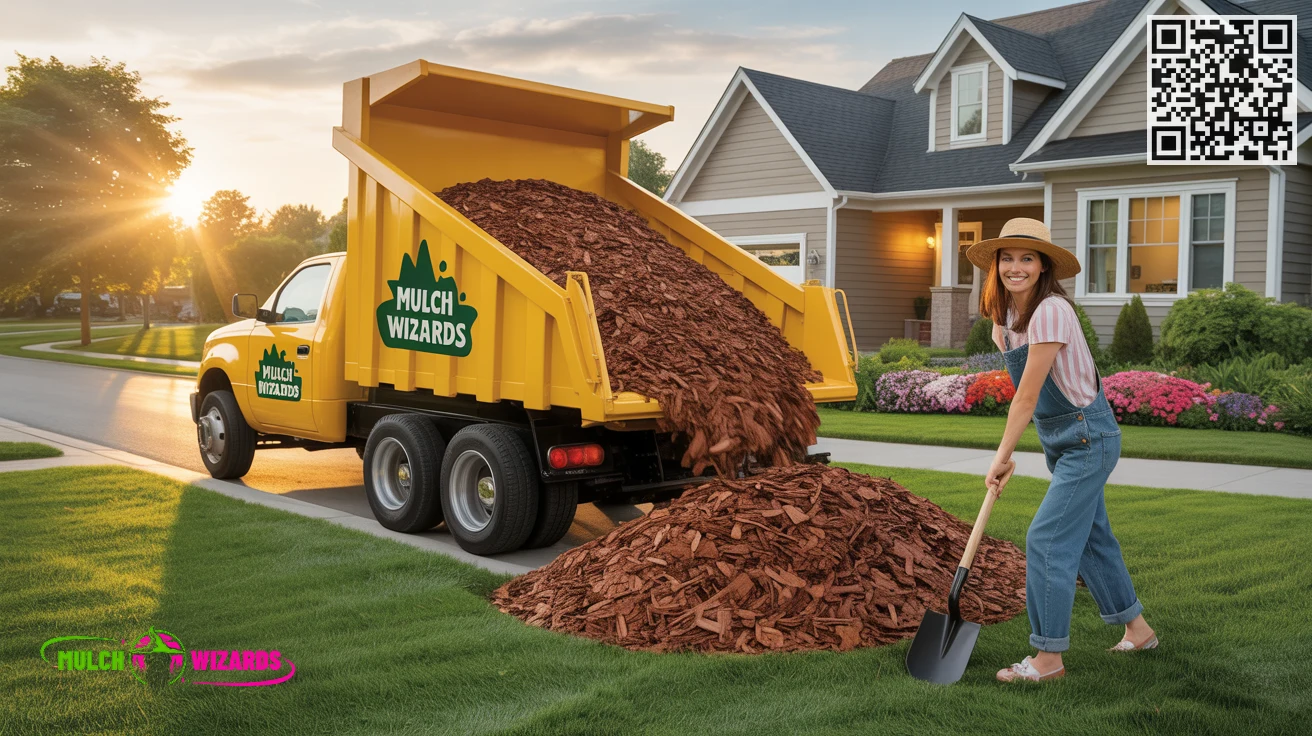
A trustworthy companion also aids with timing. Numerous landscape backyards, including groups like Mulch Wizards, organize Bulk mulch shipment by neighborhood. If you remain in Orland Park, a weekday slot could be simpler to publication, while Saturday early mornings go quickly as soon as lavenders start to grow. In Monee and neighboring towns, some Compost vendors Monee will certainly bundle shipments to the very same route to cut fuel use, which helps both your spending plan and the air.
When to spread, and what the weather informs you
I like to wait till the dirt warms to the mid 50s Fahrenheit and perennials show a couple of inches of brand-new growth. Spread too early in a cold springtime and you can reduce soil warming. Spread far too late and you run over tender shoots trying to put mulch around them. On a sensible level, you can examine a bed by stooping. If your knee sinks and mud clings, offer it a couple of days. If it feels springy and you can reject dust, it is ready.
Watch the wind. A fresh, light mulch can wander on a blustery day. Select a calm morning, and water as you go if gusts grab. After a hefty rainfall, walk the edges to rake back anything that resolved onto lawn or pavement.
The role of fungis and what that yellow ball really is
When you welcome wood based composts right into your yard, you welcome fungi. That is the point. White strings will tie through the reduced layer by summer. That web carries water and trades nutrients with plant origins. You may also see a sudsy yellow patch after a storm, which is a scum mold and mildew nicknamed pet vomit mold. It looks worrying, however it does no harm. Scoop it off if it angers your eye, or simply let it dry and vanish.
Artillery fungi is a various matter. Those tiny black dots that adhere to siding originated from a fungi that can live in high wood web content mulches, especially if manure is blended in. If you have had issues before, pick a bark heavy mulch like Three-way Processed Bark and keep it somewhat drier with excellent air movement. A thin top up every year lowers the possibility of the fungi gaining a foothold.
Quick choices that fit typical spots
- Front yard display beds: Triple Processed Bark in Dark Brown Mulch for a polished look and easy cleanup along walks. Back yard borders: Mixed arborist chips that feed dirt life and cost much less per yard. Rain yard swales: Coarse, fresh chips that can relocate and settle without sealing the surface. Veg and natural herb pockets within pollinator beds: Fallen leave mold and mildew or tidy straw that damages down by fall. Play locations beside growings: IPEMA licensed play area compost to secure children, maintained in its own zone.
These options reflect just how the room functions. A good yard treats mulch like flooring. You match the product to the room.
Edging, form, and the means compost holds a line
Mulch is part of your bed's architecture. A tidy spade cut between yard and bed stops grass from attacking and provides compost a shoulder to lean on. I such as a V designed trench, three to 4 inches deep on the bed side, tapering approximately the grass. If you like a more irreversible side, steel or composite bordering jobs, yet maintain it low and level so you can run a lawn mower wheel along it. In neighborhood pollinator tasks, we commonly switch over to a low indigenous grass strip, like side oats grama, that functions as a living edge and minimizes the need for hard materials.
When you spread out, use an inside story shovel for big steps and a cultivator fork to feather compost around crowns. A fallen leave rake laid inverted is perfect for smoothing without digging into the dirt beneath.
Bringing brand-new beds to life
If you are converting a patch of grass to a pollinator planting this year, the series issues. Scalp the yard, leave the cuttings, and water. Lay a single layer of plain cardboard, overlapped a couple of inches. Add two inches of garden compost or Garden Mix, then two inches of rugged chips. Plant into the layer or wait a couple of weeks to reduce pockets. By fall, origins will certainly thread right into the previous grass, and you will certainly have a living bed with a built in weed barrier that does not depend on herbicides.
For tight spending plans, arborist chips from local staffs can be a gift. Spread them thick in year one, then top with a thinner layer of Three-way Processed Bark in year two where you want gloss. This presented technique provides you dirt function initially, aesthetic charm second.
Watering and feeding after you mulch
Mulch adjustments just how water steps. You will need fewer superficial irrigations, yet you should sprinkle longer when you do. The objective is to press moisture with the compost and into the leading eight to ten inches of soil. A slow pipe drip for 30 to 45 minutes per zone usually does it for established beds, depending upon soil type.
Fertilizer needs decrease as mulch breaks down, since minerals reuse. If your dirt test suggests reduced phosphorus and potassium, leading dress with a well balanced natural plant food before you mulch so the pellets land on soil, out the chips. For most decorative pollinator beds, a quarter inch of garden compost under the mulch every other springtime does much more good than chasing numbers with fast feeds.
How long it lasts, and when to refresh
Expect natural mulches to clear up by 25 to 40 percent over a period. Sunlight, rainfall, and germs do their job. In high visibility locations, top up with a half inch to an inch in late summer season to recover color before a loss event. In the remainder of the yard, plan on a full refresh every 12 to 18 months. If the layer is still an inch thick and weed pressure is reduced, avoid a year. Over mulching suffocates air activity right into the root zone and can drive plant crowns too deep.
Pay interest to courses that weave via your pollinator beds. Foot traffic grinds compost into penalties. When it compacts, it can drop water. Rake courses to loosen, then include fresh material or button to a tougher surface area like smashed rock where you need all year access.
Local logistics and little details that conserve time
If you are in Orland Park and going for Compost delivery Orland Park on a weekday, request an early morning window. Trucks move much faster prior to college pickups block backstreet. In Monee and the south residential areas, some Compost vendors Monee coordinate decrease factors. If you and a neighbor order together, you may cut a distribution charge. Location a tarp on the driveway the evening prior to and park vehicles on the street. Mark the stack area with a cone so the motorist can identify it easily.
Bulk compost distribution beats bags unless you are topping a little courtyard. Bags look hassle-free, yet many work require lots, and the plastic adds up. With mass, you additionally get a fresher item. If you need several materials, you can stage them. For instance, one lawn of Yard Mix, one lawn of Dark Brownish Mulch, and a half yard of Topsoil offer for sale for reduced lawn edges. Spread the dirt and mix initially, after that mulch last to keep whatever clean.
If you work with a group like Mulch Wizards or a local professional, inquire to leave a little added aside for retouch. A wheelbarrow or 2 serves for late period spots where raccoons or wind slim the layer.
Troubleshooting weeds and volunteer seedlings
No compost eliminates weeds. What it does is move the fight in your favor. A lot of annual weeds germinate within the leading inch of soil, so hiding that layer in darkness reduces the flush. If you see maple helicopters or elm seeds blanket the compost in spring, rake them off before a rainfall cements them in. For deep rooted perennials like thistle, a weeding fork made use of after rainfall functions far better than tugging dry.
Where volunteer seed startings from preferred plants stand out with, celebrate and modify. An excellent pollinator garden relocates a little yearly. Let a few locals roam right into the compost, then rehome extras to gaps. The mulch maintains the dirt loose enough to lift those children with a lot of their root intact.
A note on children, family pets, and shared spaces
If your pollinator garden sits near a play area, keep sides neat and plant a low, flexible bush like pasture dropseed to suggest borders. In true play areas, stick with IPEMA licensed play area mulch. It is screened to regular size and examined for autumn protection. Do not blend it into your growing beds, however do keep it fresh and level. For pets, once more, skip cocoa hulls. Many various other composts are secure, though a curious dog may eat. Maintain piles covered up until spread out so you are not welcoming a digging party.
The payoff by midsummer
By July, the distinction shows. Plants stand taller with warm spells. Dirt under the mulch scents like a forest floor. You see fewer weeds and more bumblebees functioning the monarda without shriveling at noontime. The color of a Dark Brown Mulch still structures the growing, and the Triple Processed Bark near the stroll maintains its cool edge. Paths stay passable after electrical storms. That is the work well done.
A pollinator yard asks you to assume not simply in blossoms, however in layers. Roots, stems, air, which quiet blanket ahead. Select an environment-friendly compost, spread it with a little treatment, and you unlock the entire system. How thick to spread mulch for weed control If you are lining up products currently, call about for Bulk compost distribution, ask questions about sourcing, and align your decrease time. Whether you are in Orland Park establishing a brand-new front bed, or in Monee expanding a backyard prairie patch, a thoughtful mulch choice transforms springtime tidy up right into a season of better growing.